The mechanics of constructing a swimming pool as part of a home improvement project on properties that are privately owned may seem simple and for the most part it is true. However, in the event that one wrong step is thrown into the path of the sequence of building a pool the entire project will be practically doomed to fail.
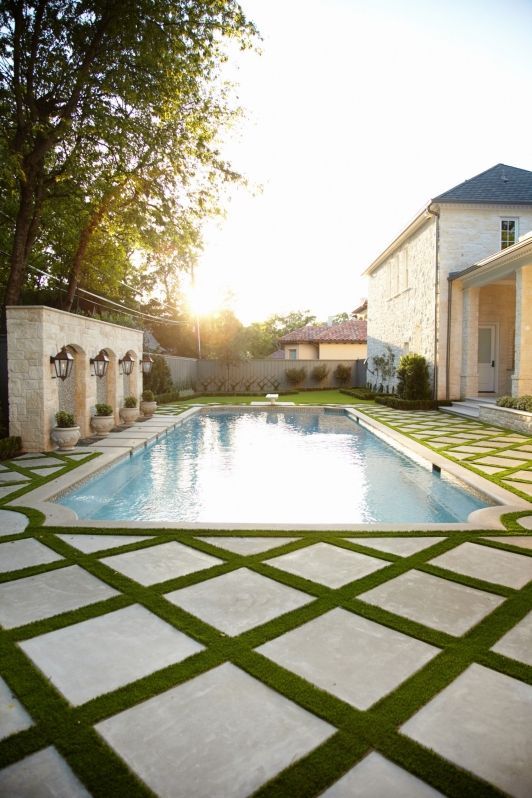
This would naturally result in budgets bulging out of bounds as resources such as time and building materials are wasted not to mention that the cost of restoration of the property is usually significant. This write-up examines the process of building swimming pools as part of a home improvement project that would guide DIY proponents through the process and help them avoid common pitfalls that are poke holes in established budgets.
To begin with, any given project regardless of whether it is a swimming pool project or any other home improvement project, establishing a budget and subsequently planning and scheduling the project becomes crucial.
After a budget is established, the first step should be identifying the most suitable location for the pool (which can only be executed after all underground utility cables and pipes are identified) and following the identification of the location, the next step would be to purchase the required materials for the pool which includes rental equipment.
Starting with materials required, the best way to ensure that the materials do not cause disruptions, it is important to sequence the procurement of materials in stages so as to not cause congestion at the project site with building materials that would serve as obstructions.
Moving on to equipment rentals such as mini excavator rental services, it becomes imperative that the hire will serve the project requirements optimally. It must be noted here that taking a mini excavator for hire for building a mini excavator for hire is a cost-effective solution that eliminates excessive manual labour which is costly.
The first step would naturally be the process of digging a hole for the swimming pool, however, prior to the dig, it is imperative that the depth of the pool is determined beforehand and a compact excavator would be the best option to get this done with high accuracy.
Once the hole is dug, and the dug-up earth is removed from the project site the very bottom of the pool must be layered with gravel in order to level the base before steel reinforcement is placed above the gravel and concrete is poured (blocks may be needed to erect a wall with a backfill behind the wall using gravel).
After this is done, the next step would be the installation of the draining system, filters and pumps whilst the concrete is left to dry. Once the drainage system, concrete layering and tiling is done (after the concrete settles and tiling stabilises), waterproofing the tiling is the next step before the pool is filled with water which would take hours.
Only after all this is done should any improvement on aesthetics be done.