How Much Does It Really Cost to Maintain an In-Ground Pool Each Month?
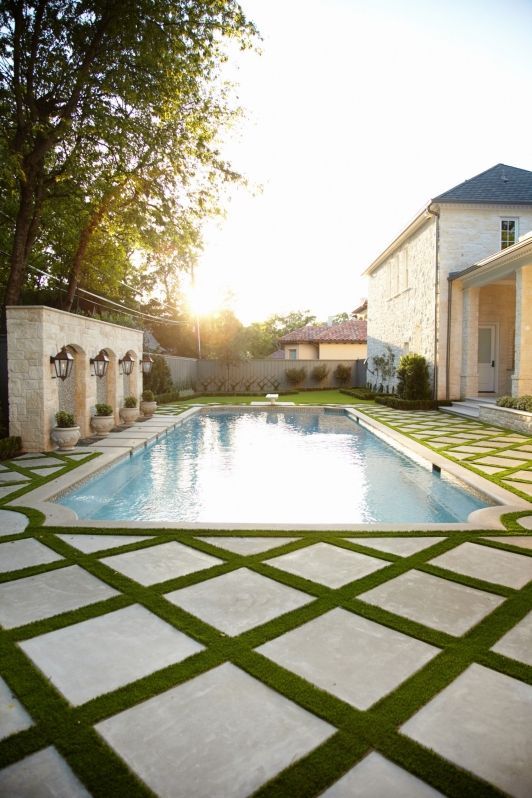
Owning an inground pool brings backyard luxury, but it also adds recurring maintenance expenses that many new owners underestimate!

This financial guide breaks down the actual monthly costs—both predictable and hidden—so you can budget accurately and keep your pool sparkling year-round.

The Bottom Line: Average Monthly Pool Maintenance Costs

So, how much does pool maintenance really cost per month? For most inground pools, expect to spend between $120 and $400 per month. That range covers chemicals, electricity, and water usage, as well as occasional supplies and service fees. If you prefer to let a professional handle cleaning and chemistry, your costs will land at the higher end of that range. Homeowners who take a DIY approach typically stay on the lower end but spend more time managing upkeep.

Breaking pool maintenance into categories makes planning easier. Your total monthly cost depends on how much work you do yourself and what type of equipment your pool uses.

Professional Pool Service Fees: $100 – $300 per month

A recurring professional service is one of the most significant monthly costs. Standard plans often include water balancing, brushing, skimming, vacuuming, and filter cleaning.

Some services offer “chemical-only” plans at around $100 to $150 per month, while full-service packages can reach $300 or more. The convenience and consistent results make this a worthwhile expense for busy homeowners or those new to pool ownership.

Electricity Costs: $30 – $100+ per month

Your pool pump is the primary driver of electricity usage. According to the Pool & Hot Tub Alliance, a pump can add about $50 per month to your electric bill, though the actual range is $10 to $300, depending on the pump type and daily runtime. Single-speed pumps consume the most power, while modern variable-speed models can cut that energy draw by 60% or more. Lighting and heaters also contribute to higher electricity bills, especially in cooler climates.

Chemicals & Supplies: $50 – $100 per month

Chemicals are non-negotiable for clear, safe water. You’ll need regular chlorine (or salt for a saltwater system) doses, shock treatments, pH balancers such as soda ash or muriatic acid, and occasional algaecide. Other recurring items include test kits or strips to monitor chemical levels, and cleaning supplies such as brushes and skimmer nets.

Water Costs: $20 – $50 per month

Most pool owners underestimate how much water evaporates or splashes out. Topping off your pool each week usually costs $20 to $50 per month, depending on the climate and local water rates. Remember that this is separate from the one-time filling cost, which can run $100 to $300 or more after construction.

DIY Maintenance vs. Hiring a Professional: A Cost-Benefit Analysis

Approach Average Monthly Cost Upfront Investment Time Commitment Pros Cons
DIY Maintenance $50 – $150 $300 – $800 for tools 1–2 hours/week Lower cost, hands-on control Requires time, learning curve
Professional Service $150 – $400 Minimal None Convenience, expert water care Higher recurring cost


DIY maintenance can save hundreds per year, but the learning curve is steep. Hiring a professional ensures balanced water and reliable cleaning, making it a stress-free option if your schedule is tight. No two pools cost the same to maintain. Size, water system, materials, and climate all strongly influence your monthly bill.

Pool Type: Saltwater vs. Chlorine and Vinyl vs. Gunite

Saltwater pools cost less monthly in chemicals but require salt cell replacements every few years, which can exceed $500. Chlorine systems are cheaper upfront but demand more frequent chemical purchases. Surface materials matter too. Porous gunite surfaces often need more brushing and algaecide, while smooth vinyl liners are easier and faster to clean.

Geographic Location & Climate

Warm climates come with higher evaporation rates and year-round maintenance, which drive  monthly costs higher. In colder regions, seasonal owners pay extra for professional opening and closing each year, but can pause many costs during winter.

Budgeting for Hidden and Occasional Pool Costs

It’s smart to set aside a small monthly amount—say $25 to $50—for future pool repairs and eventual upgrades.

Seasonal Opening and Closing: $150 – $500 Annually

Professional pool openings and winterizations are standard in cold climates. Skipping them often leads to equipment damage or algae blooms, which cost more to fix later.

Repairs and Replacements: $200 – $2,500+

Over time, small parts such as filter valves, pump seals, and heaters need to be replaced. Major expenses, such as resurfacing or liner replacement, can cost several thousand dollars, so having a repair fund helps cushion the impact.

Smart Investments: How to Lower Your Monthly Pool Bill

Efficiency upgrades reduce operating costs over the long term and simplify maintenance.

Upgrade to a High-Performance Cartridge Filter

A high-performance Pentair pool filter improves water clarity while reducing chemical use and pump runtime. Cartridge filters also eliminate the need for backwashing, saving thousands of gallons of water annually and directly lowering your water bill.

Install a Variable-Speed Pump

Variable-speed pumps consume up to 90% less energy by adjusting their speed rather than running at full power constantly. The initial investment pays for itself in energy savings within a few years.

Use a Solar Pool Cover

Solar covers can reduce evaporation by up to 95% and help retain heat overnight. That translates into noticeably lower heating and water costs.

Frequently Asked Questions About Pool Costs

How much does a pool add to monthly expenses overall?

Between electricity ($50), water ($40), and chemicals or services ($100+), most households see a total monthly increase of $150 to $400.

How often should a pool service come out?

Weekly service is recommended for consistent quality, though budget-conscious owners may opt for bi-weekly visits during lower-use months.

Owning an inground pool doesn’t have to be a financial mystery. By understanding each cost category and making a few smart efficiency upgrades, you can enjoy crystal-clear water without breaking your monthly budget. With careful planning and regular upkeep, your pool becomes not just a luxury but a sustainable investment in everyday relaxation and home value.

Are You Sure You Want a Home Pool: The Ups and Downs of Owning a Pool

You know all those hot summer days when you just wish you could somehow make it all go away and find a way to stay cool and fresh without too much effort, because what’s the point if you have to try too hard? The first thing that comes to your mind is a pool in your backyard, and you are right on track.


Photo: Simple Pool Tips

It is a great recreational place for your entire family, and it’s literally just a few feet away from the bedroom. No need to make tons of sandwiches and basically migrate your family to a local public swimming resort like river or lake if you could just enjoy all that in the privacy of your home. If privacy does not really bother you, then your friends and neighbors could also join the party and appreciate that sweet privilege of having a pool in your backyard.

It is also a great place for kids to keep them active during summer breaks. It is known that swimming is healthy and that it improves heart and lung capacity. It also helps alleviate back pain and lowers blood pressure. Certainly a great activity for kids because it keeps them away from passive hours in front of a monitor during summer heats and you don’t really have to reinvent new activities for them every single day, and it’s right there in your home. There really are plenty of uses and it’s so convenient and easy, the entire family can benefit.


Photo: Road to Murray Hill

Are You Sure You Want a Pool?

We’ve been talking about all the pros so far, and they all sound pretty awesome. But in reality, there are some things you need to consider before making the final decision. If you are a homeowner you are probably thinking that pool will increase the value of the property and that buyers will be more interested in your home in particular because of it.

[su_note note_color=”#5cc9a2″ text_color=”#ffffff” radius=”0″]Tip: Having a swimming pool does not mean your property will increase in value. Additionally, some parents with small children might even consider pool a safety hazard. It is known that in warmer parts, like Florida or Arizona, pools are somewhat considered an essential part of any property. But in other, less warm parts, they can be looked upon as a burden since there are not as many hot days as you would want.[/su_note]

Have you ever researched how much an installation can cost? Prices can range from 20 to 50 thousand dollars for an in-ground pool, while those above-ground are significantly cheaper. Unfortunately, your wallet will remain open just as the pool you want to build; after you pay for the initial installation and setup, you also need to pay for accessories, insurance and regular maintenance and cleaning, so this is a year-round expense and obligation. It’s not just a burden for your wallet but also for you personally as you would also have to invest your time and effort to keep the pool in shape.


Photo: Zsazsa Bellagio

Still Want to Add a Pool?

Owning a pool is a serious decision because it brings a lot of responsibility and dedication. Cleaning your pool when you’re not using it, and also getting your pool for winter is a huge job. You need to ask yourself if you can financially see it through and will you have enough time or will to actively work on it and maintain it. Alternatively, you can hire a pool cleaning service to take care of the pool for you, but that also means additional expenses.

You also need to think ahead and understand how much time you actually want to spend there swimming and bathing. Is it something you are sure you want to turn into your oasis or will it have something like a ‘’new toy’’ effect on you which last very brief as it often happens? If you thought this all through, and put pros and cons on a paper, if you carefully counted your budget then and only then are you ready to seriously consider building a pool.