Small Space Solutions: Designing a Nursery That Doubles as a Playroom
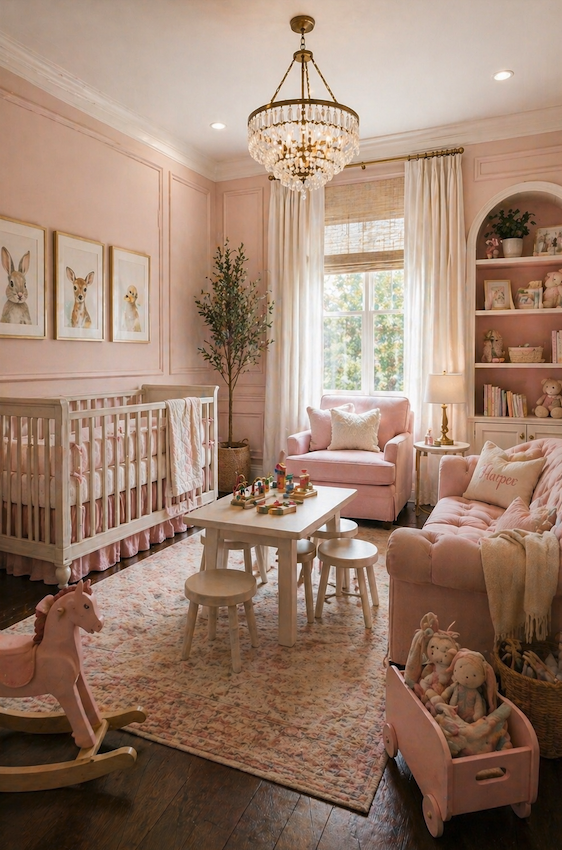
Designing a nursery that doubles as a playroom is one of the most rewarding challenges for parents working with limited square footage!

When space is tight, every corner counts—and with a bit of creativity, organization, and thoughtful design, you can create a comforting haven for your baby and an inviting play zone as your child grows. Whether you’re preparing for a new arrival or refreshing your existing nursery, the key is multifunctionality that never sacrifices charm or comfort.

Maximize Vertical Storage

In a small nursery-playroom combination, walls aren’t just blank space—they’re valuable real estate. Installing floating shelves, wall-mounted book ledges, or pegboards can help keep essentials accessible without adding clutter. One effective technique is to place storage at varying heights: keep diapering supplies and bedtime items on the lower shelves for easy reach, and reserve the upper areas for extra linens, seasonal toys, or keepsake bins.

A narrow storage tower can also fit neatly beside a crib or rocking chair, offering both form and function. Choose pieces that match your overall style—natural wood for a calming tone, or sleek white finishes for a modern look. This setup not only frees up floor space for play but also creates a visually balanced, tidy environment where every item has its place.

Choose Transformative Furniture

Furniture that adapts to your child’s changing needs is the heart of small-space design. Convertible cribs that transform into toddler beds, compact rocking chairs that double as reading spots, and foldable play mats can dramatically increase flexibility. Consider replacing a traditional dresser with a changing table that hides storage baskets underneath or a toy chest that doubles as a seating bench.

When selecting dual-purpose pieces, think about longevity and durability. Natural materials like birch or pine hold up well and blend beautifully with soft, organic nursery palettes. Neutral furniture also lets you modify the decor as your little one grows—from newborn snuggles to preschool adventures—without needing a total overhaul.

Create Defined Zones

Even in a single room, defined zones can make it feel larger and more organized. Arrange the crib or sleep space in one section, preferably near a calming wall color or blackout curtains for rest. Use a rug or a soft mat to visually separate the play area. This distinction helps children learn boundaries and routines—naptime versus playtime—even within a compact space.

You might anchor the play section with low storage bins for easy cleanup. Transparent or labeled containers make it simple for toddlers to find their favorite toys or put items away. Add a cozy reading nook with a small bookshelf and some floor cushions near a window to bring in natural light, encouraging quiet time and independent play.

Layer Textures and Softness

While space optimization is crucial, comfort makes the room feel magical. Think beyond color—consider texture. Mixing breathable fabrics, plush rugs, and soft lighting transforms even a tiny nursery into a sensory-rich environment. Organic cotton bedding, waffle-knit blankets, and linen curtains blend aesthetics with practicality.

One charming approach gaining popularity is wildflower nursery decor, which brings nature’s soft hues and organic patterns into your design. Floral prints, watercolor artwork, and pastel color palettes create visual movement without overwhelming the room. Combined with wooden toys and woven storage baskets, this look evokes serenity while adding a whimsical touch appropriate for both napping and play.

Use Smart Lighting and Mirrors

Proper lighting design can make a small space feel larger and more cheerful. Opt for warm, indirect light sources—such as wall sconces or tabletop lamps—instead of harsh overhead bulbs. Adjustable lighting helps switch the room’s tone from soothing bedtime ambiance to playful daytime brightness.

Adding a strategically placed mirror on one wall can amplify natural light and give the illusion of more space. Beyond their functional role, mirrors also stimulate visual curiosity in babies during tummy time. For safety, choose shatter-resistant materials or acrylic alternatives to maintain both style and peace of mind.

Encourage Play and Exploration

As your nursery evolves into a playroom, focus on fostering creativity and discovery. Rotating toys or introducing simple sensory experiences can keep your child engaged. For instance, you could set up a spring sensory bin filled with safe seasonal items, such as silky ribbons, faux flowers, or smooth stones, to spark curiosity and tactile learning.

Consider a miniature art corner featuring washable crayons, paint-free markers, and an easel or wall-mounted chalkboard. Versatile play accessories, such as stacking blocks or soft puzzles, work beautifully in confined areas and help develop fine motor skills. The goal is to encourage playtime that feels natural, creative, and easy to tidy when the day winds down.

Keep It Fresh and Functional

Maintaining balance between function and beauty is essential for a dual-purpose nursery. Regular decluttering keeps the space peaceful and makes it easier to adapt as your child’s interests change. As your toddler grows, simple updates—adding a small craft table, rearranging shelves, or hanging playful prints—can keep the room feeling new without a major redesign.

When designing small spaces, remember that charm isn’t about square footage—it’s about intention. By merging comfort, organization, and imagination, you can craft a room that nurtures both rest and joyful play. A well-planned nursery-playroom invites laughter, learning, and cozy moments—all within the same beautifully efficient space.