What Type of Roof will Last the Longest?

There are a few factors involved that would affect the lifespan of your roof. Whether you have shingles, tile, ceramic, or steel there a few things you should be aware of before making any roofr decisions. Here is how you can get a longer lifespan on your roof!

Shingles

Shingles on your roof make a big impact on the style of your roof. While shingles might not last as long as upper-luxury options like slate, tile and cedar roof shingles may outlive several homeowners they are affordable, look good and get the job done. As with most home improvement choices, there is a direct relationship between quality and expense, and in the case of roofing, “quality” usually translates as longevity. Shingles are meant to last at least 20 years.

Underlayment

Your roofing underlayment is a water-resistant or waterproof material installed over your roof deck. Underlayment goes beneath all of the other roofing materials to offer an added layer of protection against rain, snow and ice. In order to guarantee a leak-free roof for years to come, your underlayment must be installed properly. A good investment in underlayment may add years to your roof. Homes in the Northeast region of the United States, benefit greatly from premium waterproof underlayment designed to withstand harsh winter weather.

Ventilation

Ventilation in your roof is another roof component that is unique to each home. A well-ventilated attic can add years from one roof replacement to the next. A vented roof stays cooler, preventing snow melt and ice damming in the winter. Good ventilation keeps your attic from getting too hot or damp, which can rot out your roofing material from the inside. Affordable products like ridge vents and eave vents are almost totally invisible and they are critical to proper ventilation. Make sure you get a Roofr roofing quote before you decide on a contractor.

Installation

The way your roof was installed is a determining factor on the lifespan of your roof. Most roofs have specific installation instructions. Some examples that would affect your roof installation are:

Nails: There are different sizes, types, and certain nails have placement requirements for fasteners (typically nails) used with different shingles.

Insulation: As mentioned above, ventilation in your attic is very important for the life of your roof. Poor roof ventilation can prematurely deteriorate asphalt shingles from the inside out. Manufacturers like insulation4us often set ventilation standards to maintain a product warranty.

Roof Deck: A clean roof deck is another standard installation requirement under most product warranty terms. What’s a clean deck? It means old shingles and underlayment are completely removed before new roofing materials are applied. Stacking new material on old is a recipe for long-term problems. Make sure your contract with your contractor states the removal of old materials.

Wood Shingle Roof

Wood shingle roofs are made from thin, wedge-shaped pieces of natural wood, such as cedar or yellow pine, which are sawn from logs. While less popular they make for an extremely attractive roof. Many times they can be tricky to install and not suitable for most DIYers. A lot of contractors won’t install a wood shingle roof either. Be aware that growing fire hazards in some regions has caused legal restrictions on the use of wood roofing materials. Wood shingle roofs are not recommended in areas where there are seasonal wildfire hazards. Wood shingle roofs have a lifespan of 20 to 30 years.

So which will last the longest?

It’s easy to choose inexpensive options that are more commonly built but when you are faced with the immediate challenge of financing a new roof cost many homeowners are forced to pick a roof based on cost alone. Make a list of pros and cons of all types of roofs and make a logical decision based on your needs.

How to Care for Stamped Concrete Pool Deck

Do you have stamped concrete around your home? Here is the right way to care for it to keep it looking its best for years to come!


Photo: CustomCrete Inc.

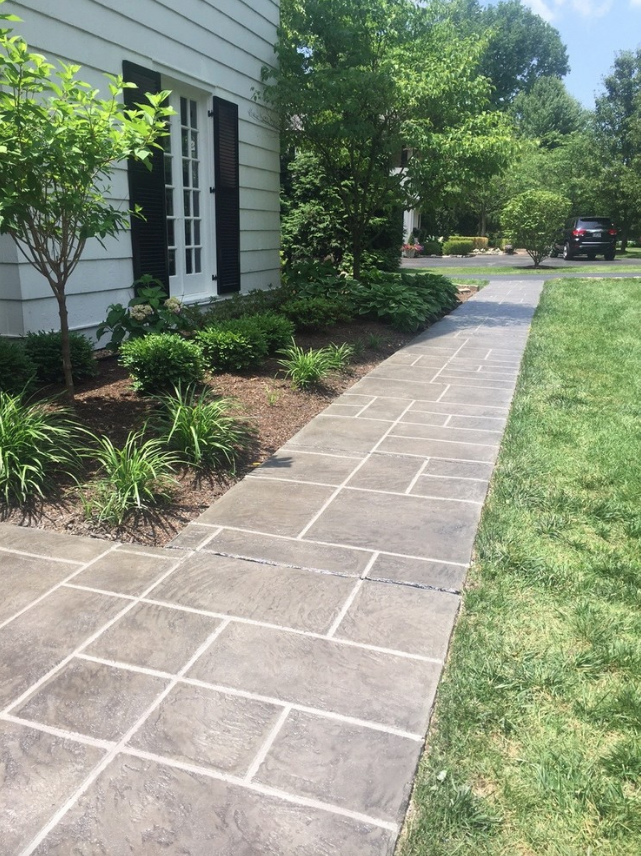
If you chose to go for stamped concrete out of all the pool deck options, what an excellent choice! Not only does stamped concrete give off the look and feel of traditional elegance, it also provides traction and is an easy update that increases your home’s value. This keeps your pool deck from being a slipping hazard. Like other pool decking options, stamped concrete requires maintenance to keep it in excellent condition. Here’s a guide on how to care for your stamped concrete pool deck.

Keep it Clean

Occasionally sweep and wash off debris build-up. Stamped concrete doesn’t need to be constantly cleaned but it helps to avoid stains by spending some time off to give it a light scrubbing. Use a push broom and some mild detergent to scrub off dirt and stains. Rinse off the soap residue with a garden hose or pressure washes to keep it clean and pristine. Give your pool a break for a day to allow the deck to dry after cleaning.


Photo: CustomCrete Inc.

Remember to Reseal

A stamped concrete pool deck is a great pool deck upgrade, but it also needs regular maintenance. It requires resealing every 2-3 years. The sealant provides a barrier that protects it against damage and maintains its color. You can either do this yourself or have it done by a professional. Either way, neglecting to reseal will turn your pool deck against you. If you don’t want to cash out on costly restorations, keep that in mind!

Minor damages still call for repairs

If you’re thinking of passing up on repairing services for chipping and small cracks, now is the time to change your mind. You might think that these are just as minor as skin scratches but these can cause major problems when left unattended. Save yourself from costly major repairs by getting the minor ones done early.


Photo: Houzz

Ditch the harsh cleansers

There’s a reason why only gentle detergents are advised for cleaning stamped concrete. If you don’t want to see patchiness on the color of your pool deck, avoid acid-based cleansers. If you live in an area where it snows, avoid de-icing salts at all costs when trying to clear out snow. The compounds of de-icing salts can destabilize the surface of the stamped concrete.

DIY Tips to Improve Your Home’s Interior

When it comes to getting a house ready to sell, improvements don’t have to break the bank. Simple DIY improvements will help you sell your house for more money. In fact, sometimes they can save sellers money throughout the selling process. Below, you’ll find some of the best ways to increase home value without spending a lot of dough!


Photo: Oh Beauty Interiors

Get started

One of the best things you can do to get the most out of a home’s value is hire a real estate agent. The National Association of Realtors found that the typical home sold by owners without an agent sold for $59,000 less than those sold using a professional.

A trained agent can help you correct any issues with your home that might raise eyebrows with potential buyers — before it goes on the market. He or she can also steer you away from any time-consuming projects that won’t get the desired return on investment. Agents also work closely with home inspectors, whose approval you’ll likely need to finalize the sale. They can help you figure out which improvements will absolutely have to be done.

There are seven major things that a home inspector will look for:

  1. Water damage — average cost: $2,588 to fix
  2. Structural issues — average cost: $4,005 to fix
  3. Roof damage — average cost: $775 to repair, or $6,725 to $9,000 to replace
  4. Damaged electrical system — average cost: $160-$500 to fix
  5. Plumbing problems — average cost: $1,038 to fix
  6. Insect and pest infestation — average cost: $172 to fix
  7. HVAC System issues — average cost: $163-$528 to replace

Staying proactive on these functional repairs can save you money in the long run. For example, hiring someone to look at and clean your crawl space might cost you somewhere between $500-$700, however, an inspection report-recommended cleanup might cost you more than $6,000.


Photo: Ponciano Design

Declutter, clean and stage

Declutter, clean and stage should be your mantra as you home prep room by room. The most important part of preparing a home for sale is removing the you from the home. You want potential homebuyers to be able to envision themselves living in your home, and having all your knick-knacks strewn about isn’t going to get the job done. So, remove all of the personal items you can. Then give your home a good deep clean. For a clearer picture of what that entails, including the supplies you’ll need, check out this home prep plan.


Photo: Ponciano Design

Focus on the kitchen

One of the biggest focal points for potential buyers is the kitchen. But don’t make plans for a full kitchen renovation just yet. Full kitchens renovations actually have some of the worst return on investment statistics. Remodeling Magazine’s 2017 Cost Vs. Value report found that a mid range kitchen remodel cost exceeds its resale value by more than $21,000, and that number more than doubles in an upscale remodel.

Instead of doing a full renovation, focus on these smaller updates:

  • Clean
  • Organize your pantry
  • Use Murphy Oil Soap and hot water to all your cabinets
  • Polish cabinets with Howard Feed-In-Wax
  • Tighten all hinges
  • Clean grout and tiles with an all-purpose cleaner like Soft Scrub
  • Make sinks and hardware shine
  • Deep clean your stove
  • Paint kitchen walls
  • Update light fixtures and bulbs
  • Get new hardware for cabinets and doors
  • Make the countertops look new
  • Switch out the appliances


Photo: Deane Inc

Make cheap upgrades

Two of the best (and cheapest) upgrades you can make to your home are painting and upgrading the flooring. An interior do-it-yourself paint job will cost you around $200-$300 per room. First, decide which rooms are in need of a new look. Ideally, you’d want to remove loud colors because they inhibit buyers from seeing themselves living in the home. Think blank canvas. Then, choose a nice neutral palate, as those hues bring coziness and minimalism to mind. Sherwin Williams’ Sincerity palette is pleasing to the eye. Then inspect your flooring. One of the best investments you can make is in high-grade carpet or hard-surface flooring. If reflooring the entire house isn’t possible, hardwood or laminate the living areas such as the living room and dining room. Stick to the same finish throughout the home.

There are plenty of DIY videos on YouTube to help you through the process, or if you decide to hire someone, the company you purchase the flooring from will likely offer installation services that will be cheaper than hiring a contractor. When it’s all said and done, these improvements will make your home pleasing to potential buyers and help you save money.

Property Payoff: Tips To Increase Resale Value provided by Synergy Builders, your first choice for luxury home remodels in Chicagoland