5 Kitchen Decor Ideas For Your Home
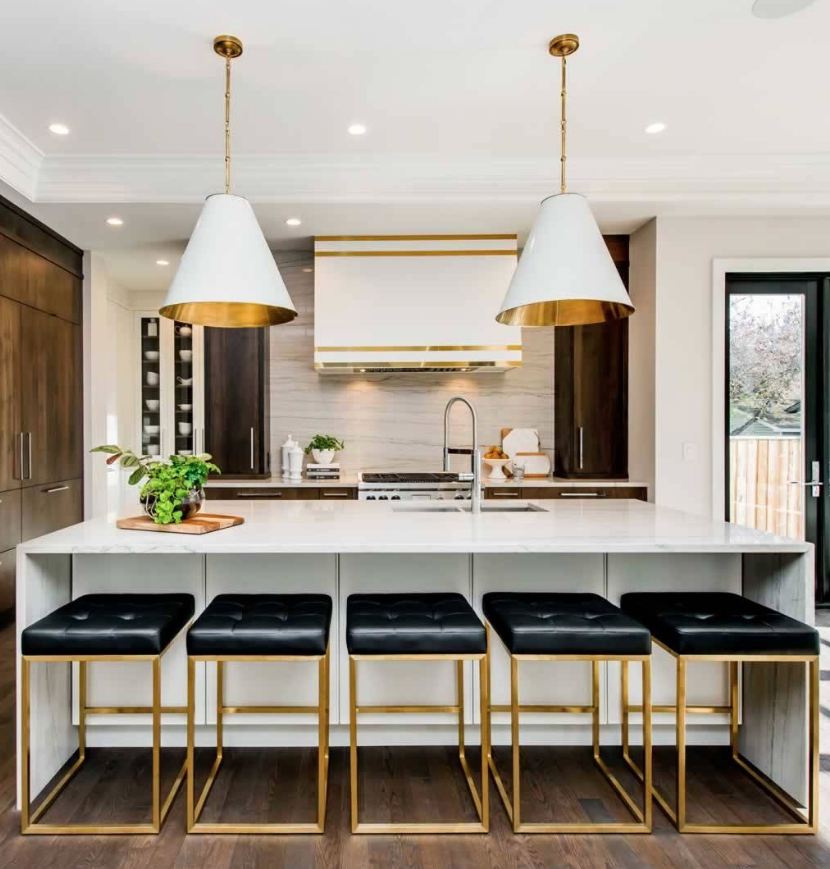
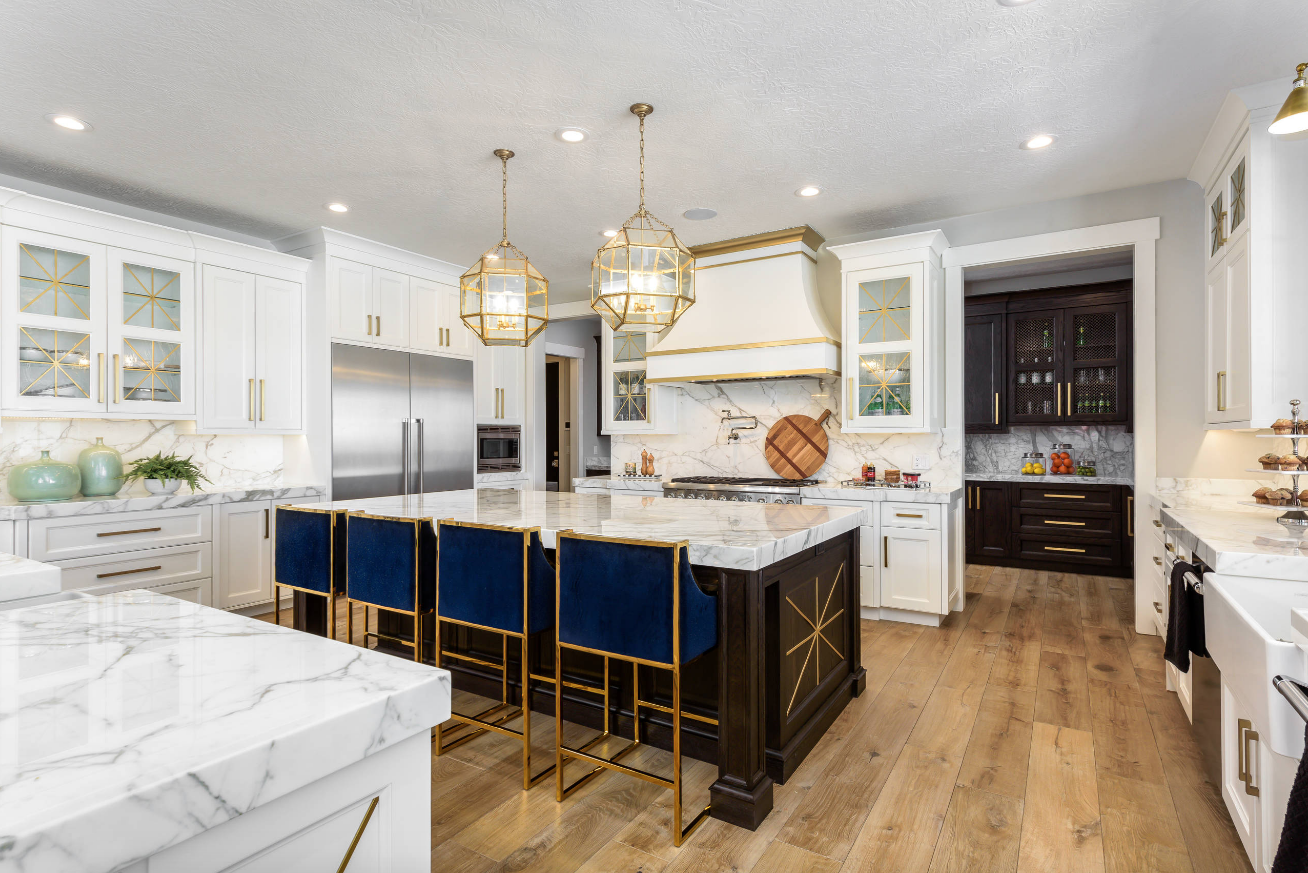
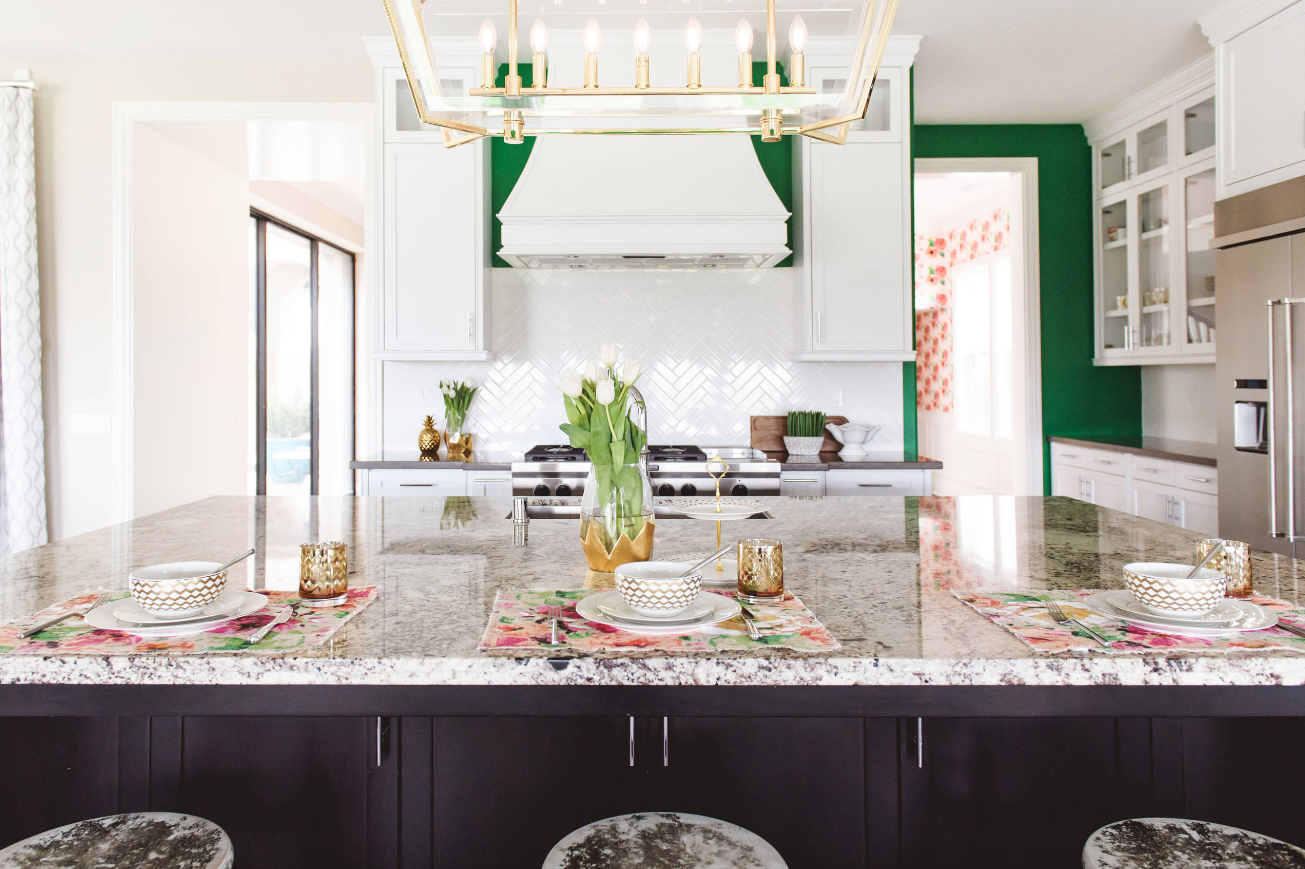
Shine some new light on your kitchen decorating with these easy but trendy kitchen decorating ideas!


Photo: Redl Kitchen Studio

1. Paint Your Cabinets A Shade Of Blue

You can replace “blue” with any color, because the purpose of this aesthetic choice is to modernize your cabinets and, in turn, your entire kitchen, as well. You don’t need to install new kitchen countertops, painting your cabinets is enough to make a huge impact. Most kitchen cabinets are white, and this is a very plain, very boring, look for a kitchen. Instead of sticking to plain old white, you can use blue or green or red, which makes your kitchen pop out and look inviting and very sleek and stylish!

2. Put In A House Plant Or Two

House plants make your kitchen look inviting and very natural. They invite feelings of nature and trees and grass, while putting out a very fresh scent into your home. On top of that, they have been proven to reduce feelings of anxiety and stress, which only aids in making your kitchen even more inviting and even more relaxing and soothing, rather than inviting feelings of stress and anxiety and clutter.

When you put in a house plant, you should also make sure that the space of your kitchen itself is clean and free of any clutter or disorganization. That way, you can put the plant anywhere, allowing it to grow with incredible ease! 


Photo: Haven Design and Construction

3. Place Amish Furniture In Your Kitchen 

Amish furniture is a type of furniture that is designed to be an heirloom, passed on for generation after generation, giving the recipients an idea of what life was like, many years ago. As you can imagine, Amish pieces of furniture – such as Amish bookcases and Amish kitchen hutches – are made of incredibly durable materials. They are meant to last for quite some time, and that is, indeed, what they do.

The real reason that this is a great idea, however, is because Amish furniture is incredibly beautiful. Made with fine materials, and stained delicately, these pieces look great no matter where you put them! 

4. Place A Chalkboard On Your Fridge

This is a fun and cute little way to spruce up your kitchen and give it a timeless design! You can use this little chalkboard to add notes, to write things down, to make little drawings, and as a way of organizing your to-do list, or to write down the ingredients for a recipe! It’s simple, and you can find small ones for incredibly cheap these days, but it’s also a great way to have some fun! And if you have kids, your kids can – and most likely will, in our experience – make little drawings for you, which is always pleasant to see when you walk in your kitchen!


Photo: Grove Park Construction

5. Put Up Some Posters And Pictures

Depending on the size and scale of your kitchen, this option may be less practical and useful to you. You can use posters to add some visual flair to your kitchen and to really breathe some life into a space that may, otherwise, be rather dull.

You can frame family photos and put them in your kitchen, and you can buy posters and prints that speak to you and put them up, as well! Whatever you like, put it u

How to Carry Your Home Design Concept from Interior to Exterior

Make your home’s decorating flow seamlessly from your interior’s to your exteriors. Here are some designer tips that really do work!


Photos By: Osmond Designs

If you’ve recently invested time and money into re-designing the interior of your home, then there is no doubt that you’re enjoying the results. A newly designed home that reflects your lifestyle and personality helps to create a real sense of belonging and uniqueness in your home. While plenty of attention is paid to a home’s interior, the outdoor space is often seen as an after-thought rather than an opportunity to carry on with your design vision.

Rather than stop at the interior, why not look for ways to take your home design concept from interior to exterior and create a complete space that fits all your needs and wants. Here are some ways you’ll be able to create that design flow from indoors to outdoors.

Mimic the Same Types of Materials

One tip is to mimic the same types of materials both indoors and outdoors. Take, for example, counter surfaces. If you have used a lot of natural stone in the interior of your home in the kitchen and bathrooms, then why not create that same look outdoors.

Natural stone veneer from Kafka Granite can be the perfect way to create show-stopping landscaping details, walkways, and pathways. You can use the same color scheme as the indoors, so it won’t feel jarring as you move through the house into the yard.

Build a Patio, Porch, or Deck That Acts as Living Area

Another way to help create flow is to build a deck, patio, or porch that acts as outdoor living space. The idea is that you create the same sort of comfortable and welcoming area for entertaining and relaxing outdoors as exists indoors. The area doesn’t have to be massive; it just needs a designated space for seating.

Stick with the Same Color Palette

While you may be tempted to go for something bold and wild in your outdoor space, if this isn’t the same color palette as the interior of your home, it won’t feel connected. Ideally, you want to stick to the same color palette and just use various tones and depths to create interest and drama.

Install Glass Doors to the Outdoors

You also want to make the outdoors feel accessible. Nothing is more welcoming than large glass doors. Let’s face it, they invite you out there since you’re getting a full view of the backyard at all times. Perhaps you already have glass doors, but they are on the small side. You can make a pretty big impact by enlarging the size of the doors and creating a grander entrance/exit.

Design Flow Doesn’t Need to Stop at the Outdoors

When creating a design flow through your house, there is no reason that the outside walls should act as barriers. Instead, look for ways you can carry that same design style and vision throughout the exterior and really perfect that indoor-outdoor style of living that is so very popular.

What To Do When Your Kitchen Floods (7 Easy Steps)

Is your kitchen flooding? Here’s what you need to do before things escalate and cause water damage to your home. Keep reading!


Photo: Vetro Kitchens

In many cases, whole house floods that start in the kitchen can be incredibly costly — affecting costly kitchen cabinets that soak up water like a sponge. Leaks underneath the sink can go unnoticed for days, saturating everything in its wake. Flooding in the kitchen requires more than a couple of towels and mops to soak up the mess, especially if it’s something that’s been left unattended to for several hours while you were away.

If you’re experiencing a major kitchen flood that’s affecting the majority of your home, you should consider having it handled by a professional water damage restoration service that can respond immediately and that are equipped for disasters like this; mitigating any further water damage and preventing possible mold growth in your home.

1. Turn Off The Water

Turning off a water supply line valve usually stops the flow from any broken or burst pipes under the kitchen sink. However, if this doesn’t work or you’re just not sure where the source is, you can turn off your home main water line at its shutoff valve.

2. Turn Off The Electricity

You’re going to want to head over to your breaker panel and cut the electricity into your kitchen and any other rooms affected. It’s pretty elementary that water and electricity don’t mix. To be safe, you should also unplug any and all household appliances.


Photo: Croma Design Inc

3. Be Careful With Gas Stoves

Do you have a gas stove? These stoves can be affected by standing water and some regulators and bottom burners may need replacement. If you suspect your stove may have been compromised, it’s best to turn off your gas and have it inspected.

4. Mop/Towel Up Standing Water

Move any furniture that affected by standing water out of the way so you can start the cleanup process. You want to soak up as much standing water with towels and mops to prevent any more water soaking into building material.


Photo: Savvy Interiors

5. Start The Drying Process

Air movement is key. Set up box fans (you can find them at your local hardware store)in the immediate area to dry out the kitchen. Adding a dehumidifier can also help with the drying process by bringing the overall air humidity down — this will also help prevent any mold growth as well.

6. Know When To Call The Professionals

Trust us, a couple of towels, mops, and fans aren’t going to cut it with a full kitchen flood that’s affecting multiple areas of your house. Water can penetrate porous building material, like kitchen cabinets and walls, extremely fast. If left untreated, this high level water saturation can quickly turn into mold and become a disaster.

Avoiding A Flood In The Kitchen

Obviously, there’s not much you can do if a random pipe bursts or a supply line breaks. What you can do is routinely check on your household appliances and underneath the kitchen sink for any obvious small leaks that can become major ones.

Kiss the Clutter Goodbye in 4 Easy Steps

Do you have problems keeping your home clean? Here are some easy tips so that you can kiss clutter goodbye forever!


Photo: Via Houzz

From the outside, your home appears to be clean, neat, and tidy. In fact, your friends routinely oh and ah over your organization skills and your ability to keep your home clean despite holding a full time job, raising young kids, and catering to a demanding spouse. However, you can never accept those compliments without feeling a twang of guilt, because you know the truth: you are far from organized and tidy, and if your friends could see behind the closet doors, they would be appalled.

If your closets are bursting with every coat you’ve ever owned since the 90s…if your garage is lined with shelves but you and your partner still have to double stack bins and place items on the floor…if your kitchen drawers contain more papers and junk mail than they do utensils, it may be time to stop cleaning and start decluttering. If you’re cringing at the thought of getting rid of your dear earthly possessions, these four decluttering tips can get you past the pain and through to a clutter-free house.

Go Through One Room at a Time

Reader’s Digest says that the best way to a clutter-free home is to take it one room at a time. Whether you’re a hoarder or just someone who let the clutter get out of control, you may feel overwhelmed by trying to tackle your entire home at once. Start small, say, with the kitchen drawers. Once you’ve decluttered the drawers, clear out the pantry, and then the cabinets. Before you know it, your kitchen will be clutter free, and it will feel so good, you won’t hesitate moving on to the next room and to do what it takes to keep your house clean and beautiful.


Photo: Greer Interior Design

Be Ruthless

Living Well, Spending Less tells homeowners to purge ruthlessly. Chances are that everything you own has some sort of sentimental value (the dress you wore on your first date, the hair tie you wearing when you had your first child, the keys from your first family vehicle). People can find an attachment to anything, which is what makes people human, but it’s also what results in clutter. It’s okay to be sentimental, but don’t be sentimental to a fault. Yes, keep your children’s going-home outfits, but toss that hair-tie.

Another thing people hold onto is gifts. It’s hard to toss something given to you by a loved one, but if you don’t like it, use it, or it’s broken, it’s just taking up space. Give the item away to someone who will use it.

Ask Yourself the 5 Big Questions

If you’re having a hard time parting with something, ask yourself the five basic questions:

  •       Does anyone use it, wear it, or play with it?
  •       Does it still fit?
  •       Is it in good condition?
  •       Does it enrich your life?
  •       Could someone else use it more?

If an item isn’t used, donate it. If it doesn’t fit or is in bad condition, toss it. If it doesn’t make you think happy thoughts or become a better person, and if someone else can use it more, give it away.


Photo: JCD Custom Home Design

Sleep On It

If all else fails, sleep on it—or rather, put the item away for one month and don’t look at it again until that month is over. If you find yourself missing that item within the month, it’s probably safe to keep it. If you open the box a month later and think, “Oh! I forgot about that!” get rid of it.

Decluttering is often an overwhelming process for most people, but once they get started, it becomes a little less so. These four steps can help you get on the path to a clutter-free and beautiful home.

Donating & Decluttering Tips For Moving House, was provided by Big League Movers, the company to call when you need local movers Memphis TN